Guangchangwu (广场舞) is not just a casual park activity — it is a serious subject of scholarly research. Across leisure studies, urban studies, sociology, public health, and performance studies, researchers treat it as a window into public space, aging, gender, and community life in contemporary China.
This page is a short map of the literature. It points to the studies this site cites and explains the concepts scholars use, so readers can go deeper than the headlines.
How to read this page: every claim below links to a named source in this site’s source index. The goal is not to overwhelm with citations, but to show where the ideas come from and which study introduced them.
The foundational study: Seetoo (2016)
The single most-cited English-language scholarly treatment of guangchangwu is “China’s Guangchang Wu: The Emergence, Choreography, and Management of Dancing in Public Squares” by Chiayi Seetoo (Shanghai Theatre Academy; PhD, Performance Studies, UC Berkeley), published in the International Journal of Communication in 2016.
Its contribution is to treat guangchangwu as more than a spectacle. Seetoo frames the practice through four linked lenses:
- spatial practice — how dancers produce and use public space;
- scale — how a neighborhood activity becomes a national phenomenon;
- gender politics — why the practice is so strongly associated with middle-aged and older women;
- citizenship — how grassroots organizing interacts with state management and support.
That last point matters: the paper argues guangchangwu sits at the intersection of bottom-up community life and top-down coordination, not in simple opposition to it.
A 2026 concept: the “atmospheric threshold”
A 2026 article develops “atmospheric threshold” as a conceptual lens for studying Chinese guangchangwu dancing. The idea is that the felt atmosphere of a session — sound, proximity, movement, and the boundary between participants and bystanders — is itself where social and cultural relations are produced.
For readers, the useful takeaway is that guangchangwu’s famous noise conflicts are not mere “annoyance.” They are negotiations over an atmospheric threshold: how much shared, amplified public life a space can hold before it spills into someone else’s quiet. This connects directly to the site’s coverage of public space and sound.
Health and wellbeing evidence
The health dimension is unusually well documented for a grassroots activity. Key sources in this site’s index include:
- a 2026 randomized controlled trial (frontiers-rct-2026) examining a 12-week community square-dance intervention in adults aged 60–79;
- a systematic review (pmc-systematic-review-2022) on physical, psychological, and cognitive outcomes;
- studies on leisure, mental health, and square dancing (pmc-leisure-mental-health);
- work on the somatosensory square-dance system (pmc-somatosensory-system).
The defensible conclusion, also stated on the site’s health-evidence page, is that regular participation can support physical activity and social connection, while the strength of evidence varies by outcome and study design. Guangchangwu is not a medical treatment.
Recurring themes in the scholarship
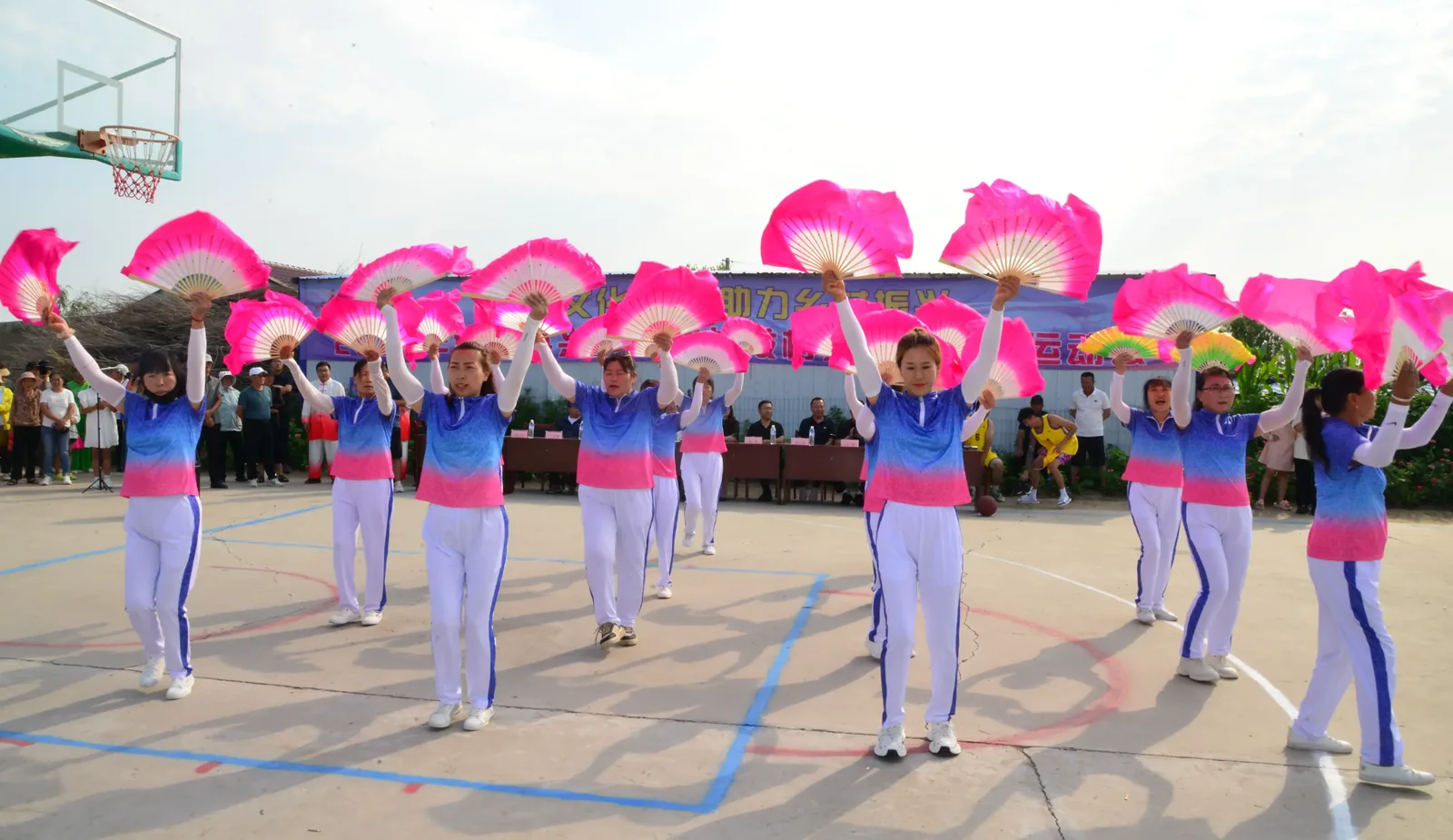
Documented events like this one generate the reporting and studies this site cites.
Across the literature, several themes keep returning:
| Theme | What scholars examine |
|---|---|
| Public space | Who may use a square, and how sound and bodies are negotiated |
| Aging | Guangchangwu as social infrastructure for an aging population |
| Gender | Why older women are the visible core, and how that is changing |
| Leisure & community | Dance as “serious leisure” and community formation |
| State & management | Standardized routines, competitions, and regulation |
| Diaspora | Guangchangwu as cultural continuity in overseas Chinese communities |
These map closely onto the site’s own structure — the what-is, who-practices, and history pages each expand one of these threads.
Using this site’s sources
This site keeps a full source index: every factual claim links back to a named, authority-rated source rather than a bare footnote. The index sits behind every article and topic page, so scholarship like Seetoo (2016) and the 2026 “atmospheric threshold” study appear both as citations and as starting points.
If you are a researcher, the most efficient path is:
- Read the relevant discover page for the topic you care about.
- Open its cited sources to reach the original study.
- Use the topic pages (for example Guangchangwu or Yangge) to see how concepts interconnect.