Sound / Rhythm / Movement
The Music of Guangchangwu
The songs, rhythms, tempos, and sound systems that make collective movement possible.
Listen first
Before the Movement Comes the Sound
Music is not simply background audio. The same song can be used in different choreographies, taught by different teachers, and appear in different versions.
What it always provides is a shared clock: one beat, one step, a room of people repeating the same phrase until they move as one body. Song choice shapes rhythm, routine selection and the atmosphere of a session — without fixing one universal playlist for every group.
- Beat
- Step
- Repeat
- Sync
- Group
The structure
How sound organizes a session
Rhythm
How does tempo shape movement?
Memory
Why do familiar songs work so well in group practice?
Field recordings
Watch & Listen
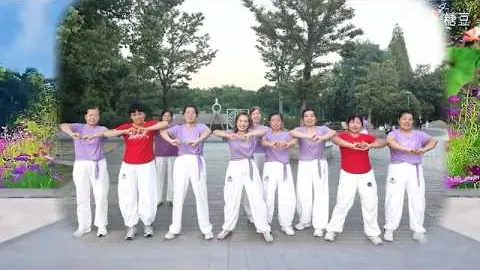
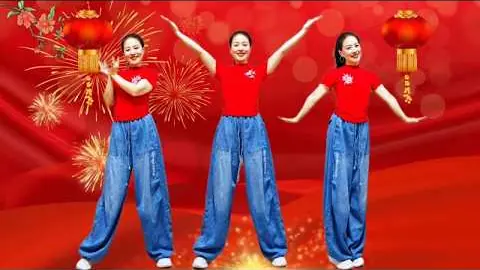
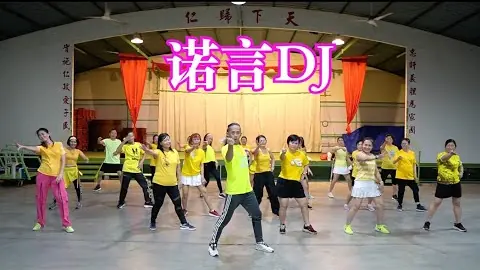
One session at a time. Thumbnails load from this site; the player opens only when you choose to watch.
《盛世山河》大气蓬勃嗨炸广场 · Public square · China · YouTube
The repertoire
Songs
Songs documented as used in or strongly associated with Guangchangwu and Chinese public dancing, with artist and source context. BPM and genre tags are only stored when a source provides them.
Observed categories: Popular songs · Folk-influenced music · Instrumental tracks · Dance-oriented recordings · Regional / cultural styles
- Little AppleSong
2014 hit by Chopstick Brothers whose music video featured square-dance scenes and which became one of the best-known songs in Chinese public dancing discussions.
2009 Phoenix Legend hit used as soundtrack to one of the twelve standardized guangchangwu routines and widely cited in Chinese public-dancing coverage.
Military march named in English reporting as part of a Beijing square-dancing troupe's red-song repertoire performed in public space.
Mid-twentieth-century revolutionary red song documented in English coverage of Beijing square-dancing troupes whose repertoires include revolutionary-era material.
Documented example
The twelve Standardized guangchangwu routines were choreographed with Wang Guangcheng and use songs including Little Apple and The Most Dazzling Folk Style. Moonlight Over the Lotus Pond is listed with a Wang Guangcheng tutorial version — song, teacher and version recorded together. Learning is its own pathway: how beginners start.
The video pool
See It in Motion
Every session sounds different. Explore another example.
Sound & the city
When Music Enters Public Space
The speaker is where music leaves the group and enters the neighborhood.
Parks · Residential communities · Plazas · Neighbors · Noise · Time of day · Negotiation
This is the semantic bridge of the site — music leads to public space, and public space leads to culture.