Field Guide
Learn Guangchangwu
Understand the movement, the people, the language, and the social world around Chinese square dancing.
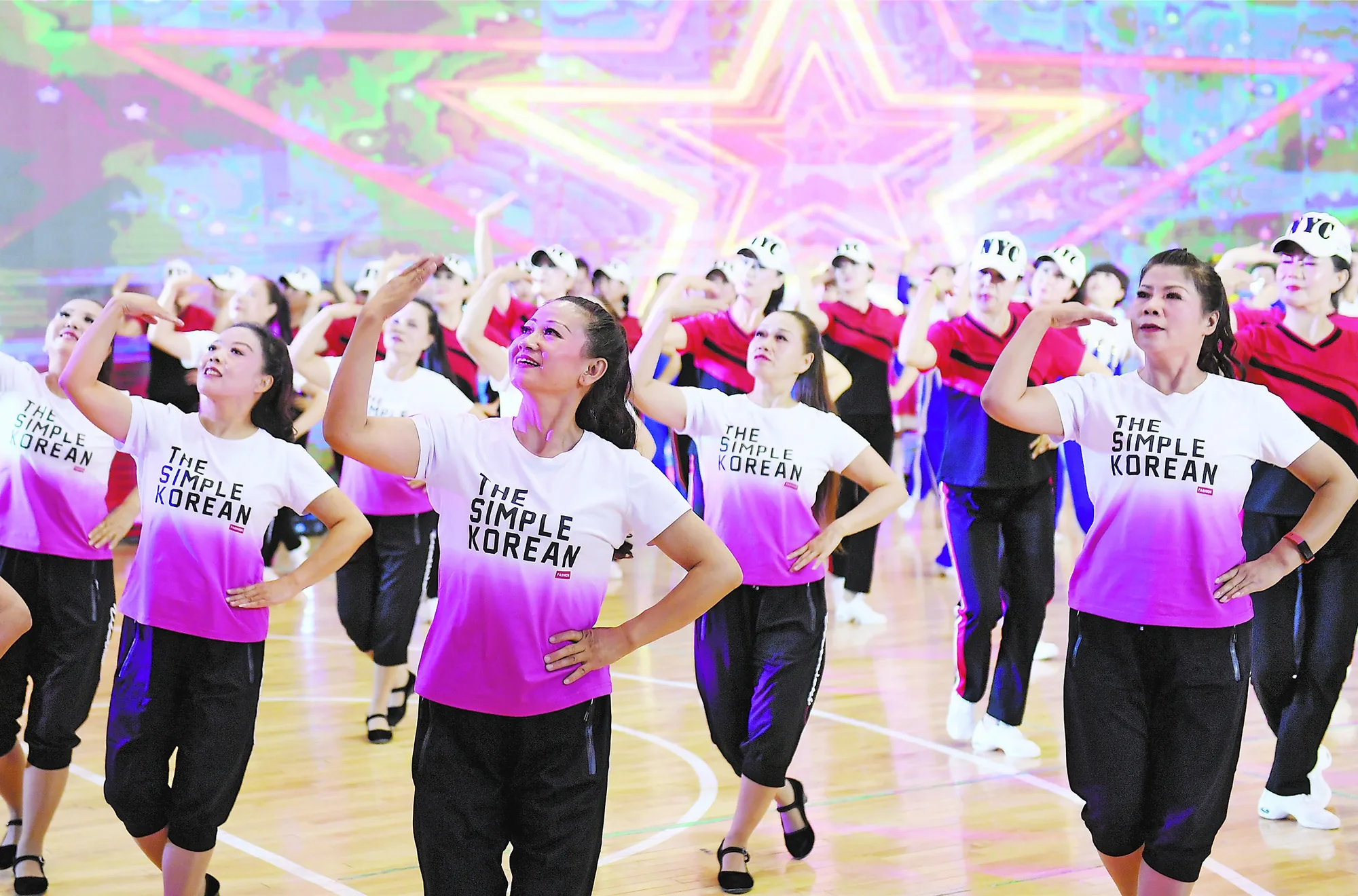
Learning path
Start Here
Four steps, in order. Each one builds on the last — definition first, language second, distinction third, observation fourth.
What Is Guangchangwu?
The canonical definition — group dancing in public space, before anything else.
Chinese Plaza Dancing: What Does the Term Mean?
How the English name is used, and what it does and does not cover.
Guangchangwu vs. Square Dance
Why the two traditions are not the same, and why the distinction matters.
Reading a Guangchangwu Session
Formation, roles and social structure — how to observe before participating.
Once these four are familiar, the rest of the site — dances, music, people, places — becomes readable rather than decorative.
Four ways of learning
Understand, Observe, Participate, Contextualize
Understand
Definitions and terminology.
Participate
How newcomers can approach a session.
Contextualize
History, culture and social meaning.
Movement
Learn the movement
Learning concepts first — not a catalogue of every routine. Deeper detail lives on the routine and field note pages.
- Rhythm — Timing shared through music and group phrasing.
- Coordination — Aligning steps with neighbors and the recorded track.
- Balance — Posture and weight control during repeated sequences.
- Repetition — Patterns that return across a routine and a session.
- Weight shifting — Transfers that keep group movement continuous.
- Group synchronization — Moving as a formation rather than solo improvisation.
Then practice the fundamentals on the steps & basics page, and revisit what music does to movement on the music page.
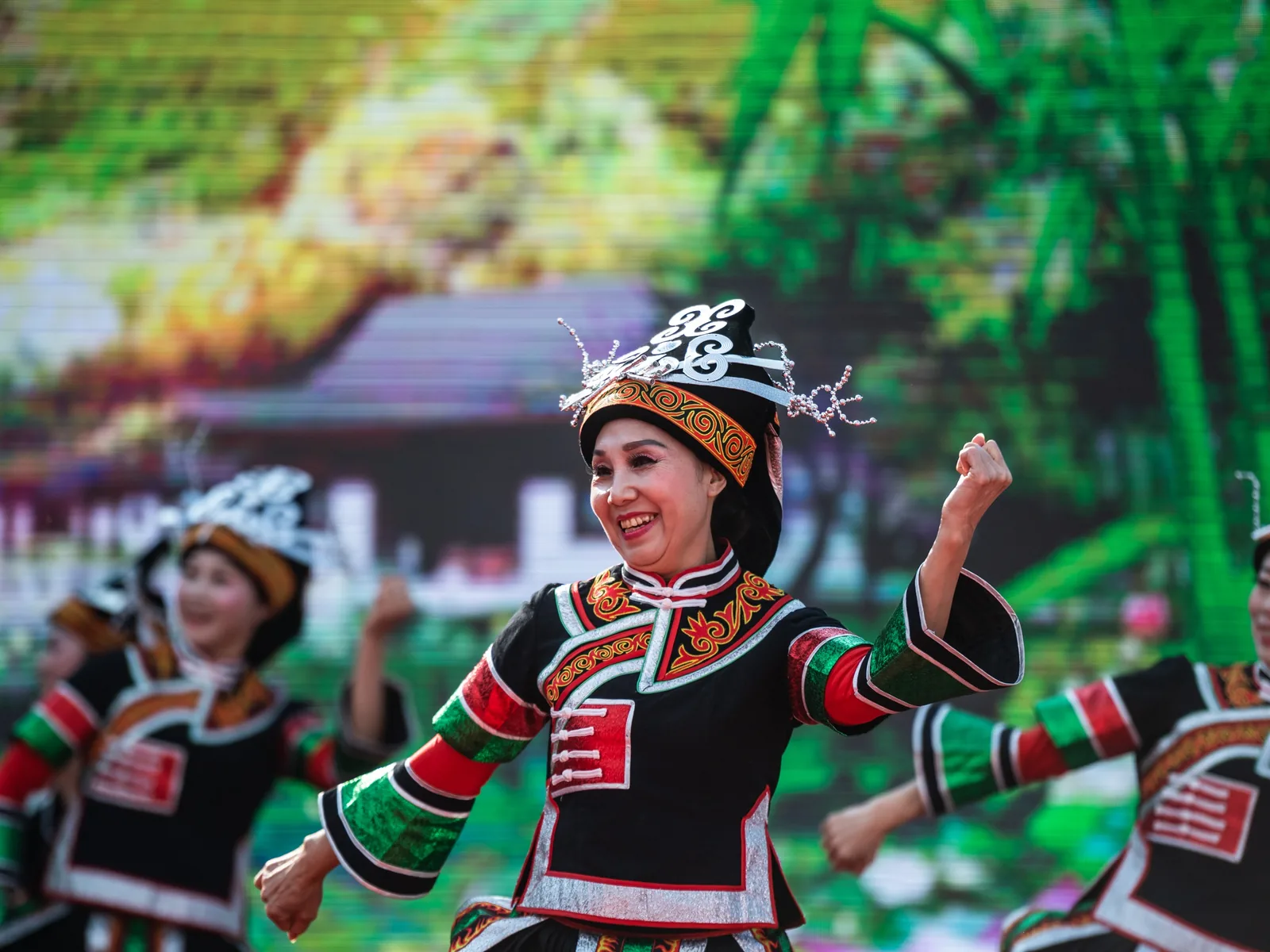
Field notes
What to watch for
Field note
Look at the formation before watching individual dancers.
Field note
The person controlling the speaker may not be the person leading the choreography.
Field note
A public location does not mean every participant expects to be photographed closely.
Practical etiquette
If You Visit a Session
A concise baseline for visiting an open session as a newcomer or traveler. Individual groups set their own expectations — these are the defaults that keep a visit welcome.
- Observe from the edge.
- Ask before joining.
- Follow the formation.
- Avoid walking through the group.
- Ask before close-up photography.
- Do not assume every group follows the same rules.
Body & evidence
Evidence, not promises
Practice claims stay evidence → claim: square dancing has a real research base as a community aerobic activity, with documented study-quality limits. No page on this site promises universal clinical outcomes for every spontaneous park group.
Questions
Beginner questions
Do I need previous dance experience?
No. Most people begin by watching a session and joining simpler patterns.
Do I need to know Chinese?
No. Much of early learning is visual and rhythmic — follow the group.
Can I practice alone?
You can rehearse steps alone, but the practice is built around group sessions in shared space.
How do I join a group?
Start with the documented groups and places directories, then observe an open session.
What should I expect at a public session?
Recorded music, repeated routines, and informal roles — organization varies by group and location.
Keep learning
Guides for getting started
Practical and evidence-based guides for learning and participating.