Chapter 01
Community
How people build recurring social relationships — shared routines, group identity and everyday leisure.
Community life →Culture / Society / Place
A public practice shaped by movement, community, memory, identity, and the spaces of everyday life.
Five dimensions
Discover answers what Guangchangwu is. Culture answers what it reveals about society, space and everyday life.
Chapter 01
How people build recurring social relationships — shared routines, group identity and everyday leisure.
Community life →Chapter 02
How public spaces become shared social environments.
Documented places →Chapter 03
How later-life participation can create routine, identity and connection — research shows changing patterns, not a single age group.
Who practices Guangchangwu →Chapter 04
How clothing, music, movement and group membership communicate belonging.
Reading a session →Chapter 05
How groups negotiate public-space boundaries, noise, scheduling and other users.
Public space lens →Public space
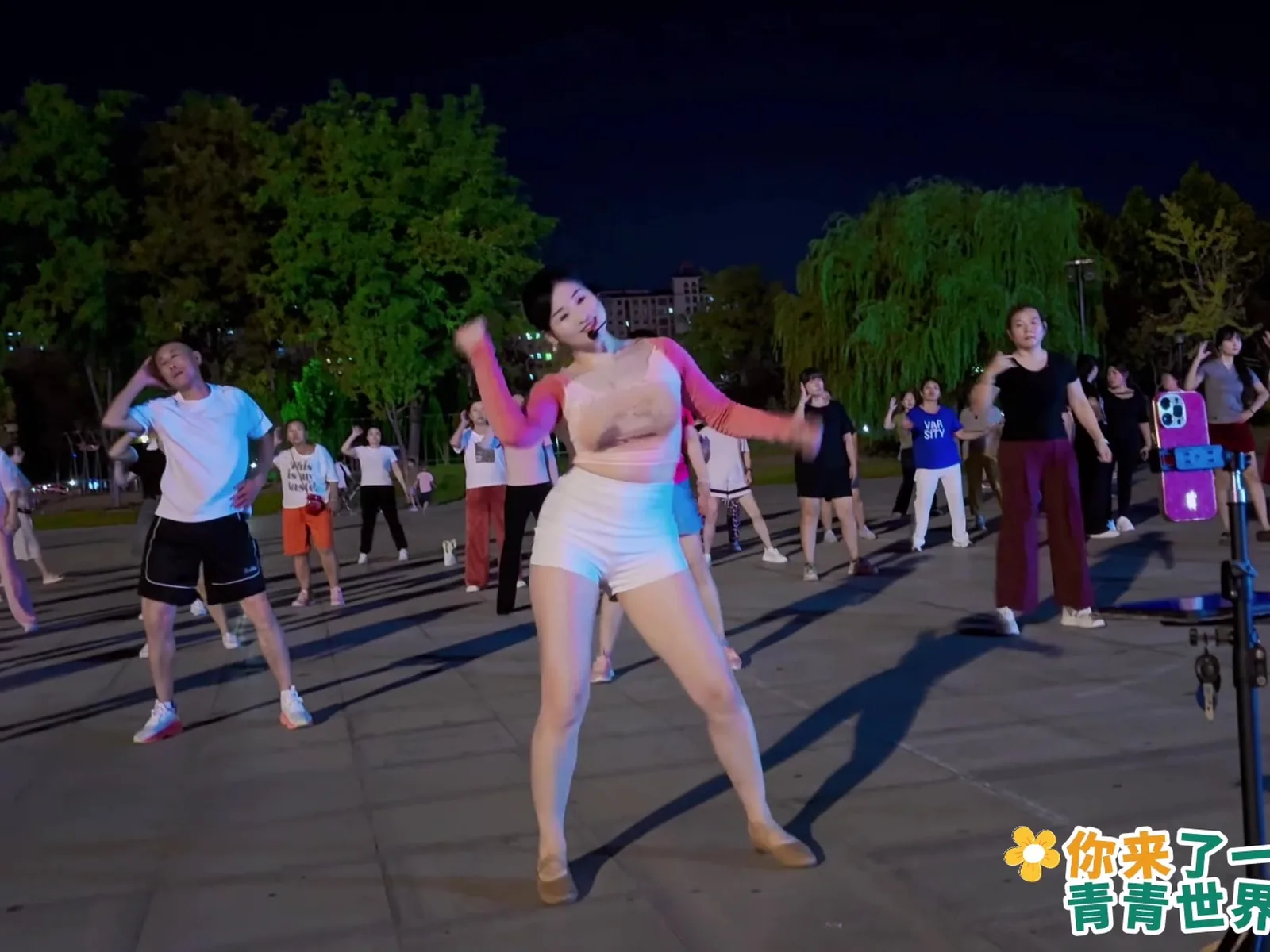
Guangchangwu occupies public space. Other people also need that space.
Noise, timing, access, movement and neighborhood expectations can therefore become questions of everyday governance.
Perspective
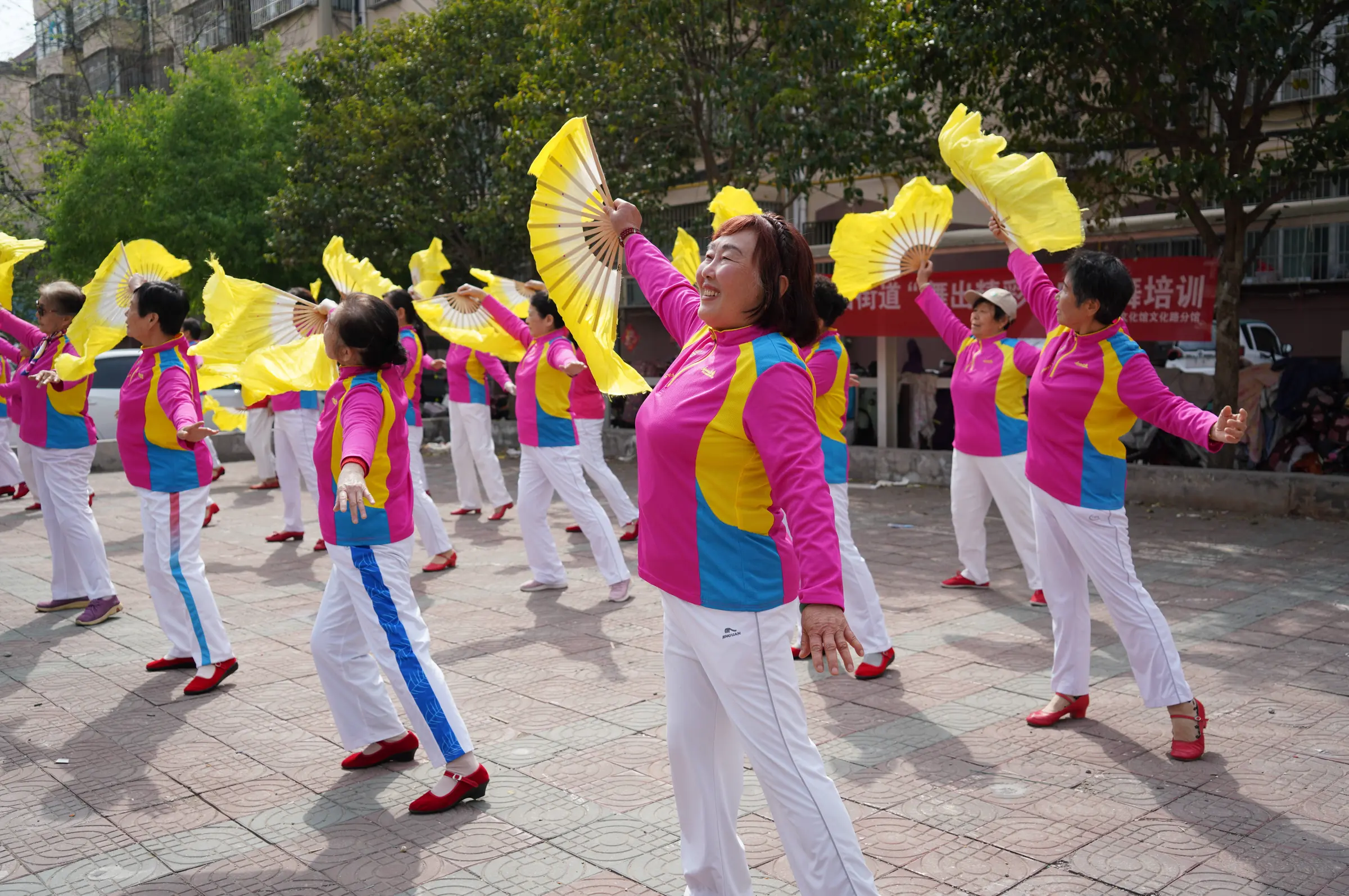
International coverage often reduces Guangchangwu to a single image: older women dancing in public. The reality is more varied.
Participants, motivations, settings and organizational structures differ by place, group and context. This page — and the site — documents that variation instead of a stereotype.
Chronology
Documented stages of the practice — the same chronology that anchors the site's history guide.
Communal performance traditions — including yangge — long preceded the modern practice.
Collective movement becomes a mass practice in the mid-twentieth century.
Group dancing reappears in the open spaces of Chinese cities.
Urbanization, portable audio, retirement and community networks reshape where people dance.
Public space, leisure time, popular music, grassroots organization and mass fitness align.
Guangchangwu becomes a widespread everyday fitness practice.
Popular music enters the square, Little Apple spreads, and the practice reaches the national stage.
Noise debates meet regulation, and the practice begins appearing beyond China.
An established feature of public life — documented, debated and studied.
Beyond China
The practice can appear outside mainland China through Chinese communities, cultural exchange, diaspora networks, social media and international interest — documented case by case, without assuming a single global picture.
Field note
Every overseas appearance has its own setting — a park, a temple square, a community stage. The places directory records where the practice has been documented.
Read about public space, community life and Guangchangwu beyond China.
From Chinese diaspora parks to international stages and TikTok, explore how Guangchangwu traveled abroad, adapted locally, and became a global cultural phenomenon.
Where does Guangchangwu happen, and why does sound follow it? Explore plazas, parks, courtyards, speakers, noise rules, and how cities redesign shared public space.
Learn how to read a Guangchangwu session—from formation and leadership to music, group roles, newcomers, and the social structure behind Chinese plaza dancing.
Directories
The documented directories of practice — who dances, where and when — start from Communities.
The loop
Discover what exists, learn how to understand it, listen to how it sounds — then return to the atlas with new questions.